
Introduction
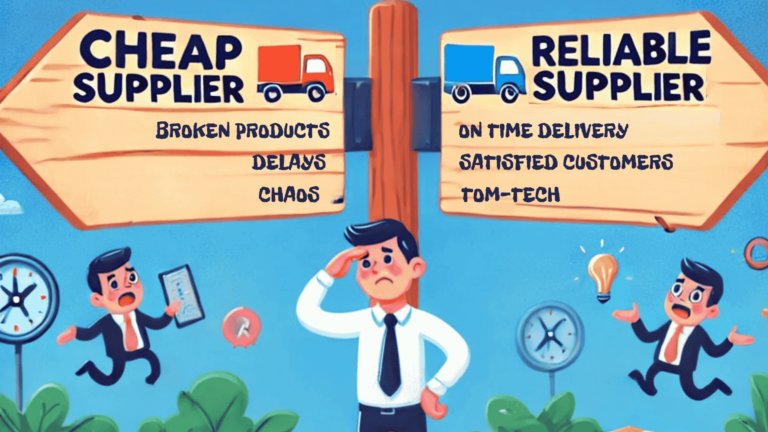
Project managers in the industry face increasing challenges in coordinating multiple suppliers, ensuring quality, and optimizing costs. Each additional intermediate phase in the process increases the risk of delays, errors, and additional expenses. A comprehensive approach, where all key processes are managed under one roof, provides better project control, reduces transportation needs, and minimizes the necessity for multiple Factory Acceptance Tests (FAT). This approach covers all key phases—from the planning and production of various pipelines, plastic products, tanks, dosing systems, and modular devices to their final installation with professional engineering support.
Main Content
1. How an Integrated Approach Simplifies Project Management
Working with a provider that integrates various manufacturing and installation processes enhances transparency and reduces the complexity of project management. Instead of coordinating multiple suppliers, which can lead to misalignment and delays, all solutions are centrally managed. This includes designing and producing pipelines from different materials, manufacturing plastic components, developing and integrating modular devices, and performing on-site installations. Engineering support throughout the entire process ensures smooth execution and rapid responsiveness to potential changes. This reduces risks, accelerates project execution, and enhances cost control.
2. Key Advantages of an Integrated Approach
a) Cost Reduction
Fewer transport operations mean lower logistics costs and reduced risks of component damage. Centralized production allows for better optimization of materials and manufacturing processes. Fewer FAT requirements lead to lower operational costs and faster project progress.
b) Simplified Coordination
With a single provider managing the project, coordination complexity is significantly reduced. Accountability for quality and execution is clearly defined, minimizing the risk of errors.
c) Higher Quality and Lower Risk
A project executed under unified control maintains consistent quality standards. Fewer subcontractors result in less variability in quality and increased reliability of the final product. Improved coordination reduces the need for rework and additional testing.
d) Faster Project Execution
With all processes centralized, the timeline from design to installation is shorter. Adjustments and optimizations can be made in real-time without delays caused by supplier misalignment.

Conclusion
For project managers seeking to optimize processes and mitigate risks, adopting an integrated project execution approach is a strategic decision. Enhanced efficiency, lower operational costs, and better coordination across all project phases lead to faster and higher-quality project completion. This method reduces the need for repeated testing, transportation, and corrections, resulting in long-term savings and improved outcomes. For real-world examples of successful implementations, visit UF Treatment Plant – 300 l/s in North Macedonia